

Garden Fence Ideas: Smart Solutions For Every Outdoor Space
A garden fence’s function extends beyond marking your territory: it enhances the overall aesthetics of your home, increases curb appeal (by up to 10%, according to Checkatrade), and creates a space that’s both secure and inviting. It’s no surprise, then, that picking the right – or wrong – option can completely change how your space feels and works. Luckily, to help you on your fencing journey, we’ve put together this guide full to the brim with garden fence ideas to suit all kinds of outdoor spaces. So, grab a cuppa, and let’s get creative…
- For Small Gardens
- For Medium Gardens
- For Large Gardens
- Front Garden Fencing Ideas
- Extra Considerations
- Concluding Thoughts
Fence Ideas For Small Gardens
When space is tight, choosing between garden fence ideas can feel all the more difficult. The key is to pick a solution that’ll make your small garden feel open, inviting, and practical, without overwhelming your limited square footage.
Slatted Fencing
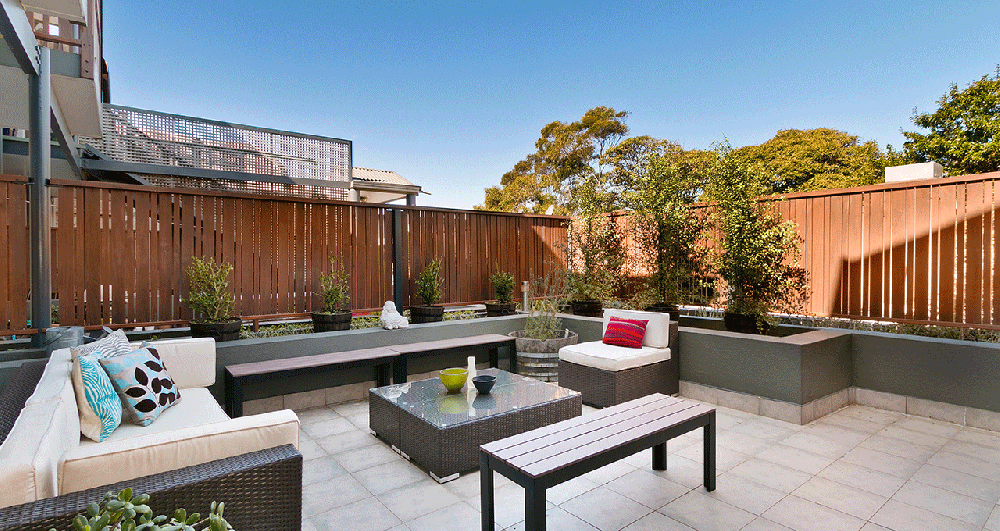
Slatted paling is a popular choice for gardens on the smaller side thanks to its clean lines and semi-transparent design. By allowing glimpses of light and air to pass through, these panels help your garden to feel more airy and less claustrophobic. Plus, they offer a striking modern look that works well with a range of styles, offering the perfect balance between privacy, openness, and atmosphere.
Tall Trellis Panels
If you want to add height without blocking light, tall trellis panels are a fantastic solution. They provide privacy whilst doubling as a support for climbing plants, adding greenery and texture to your garden edges. This makes them an excellent choice for small gardens since you’re also maximising vertical space for décor without taking up any further floor space.
Dual-Use Boundaries
A clever way to maximise your garden is to use fence ideas that serve more than one purpose. For instance, fences combined with built-in seating or planters provide a seamless and practical solution for small spaces, simultaneously creating a cosy and inviting atmosphere whilst also keeping your garden well defined. Think of it as making your garden fence work smarter, not harder.
Fence Ideas For Medium Gardens
Medium-sized spaces offer a bit more freedom to get creative with garden fencing ideas. You have the room to play with different styles and heights to add interest, but you still need to be wary about not overwhelming the space.
Mix Heights To Create Visual Flow
Instead of sticking to one uniform fence panel height, try mixing different levels along your perimeter. This approach adds depth and intrigue to your fencing, guiding the eye naturally through your outdoor space. For instance, taller fences near seating areas create a sense of enclosure and comforting privacy, whilst lower panels for the rest of the boundary balance the space so that the garden doesn’t feel too closed-off.
Use Fencing For Zoning
If you have the space, fencing can be used tactically to divide up zones within your garden, not just around it. Use different panels to separate dining, socialising, or planting areas. To avoid a cut-off, blocky feel, use open slats or lattice garden screens to keep everything feeling connected yet distinct.
Timber Screens For Privacy Without The Bulk
Speaking of screens, if you want privacy, but don’t want to close off your garden, timber screens are a great choice. They provide discreet sectioning whilst filtering light and air to keep your garden feeling relaxing. Better yet, they come in various designs, from sleek modern panels to more traditional patterns, offering plenty of flexibility when it comes to design.
Fence Ideas For Large Gardens
If you’re lucky enough to have a large garden, embrace it by experimenting with various garden fencing ideas. Many of the previous points from small and medium gardens – like mixing fence heights or using fencing for zoning – work just as well here, along with the following additions.
Use Fencing To Guide Movement Through The Space
In bigger gardens, fencing should help direct how you (and your visitors) move through your outdoor area. For example, try thoughtfully placing lower panels to subtly define walkways without interrupting sightlines.
Combine Fencing With Natural Boundaries
For a more organic feel, try something a little different and consider blending fencing with natural boundaries like hedges, bushes, or trees. This mix not only levels up your privacy, but it also softens the look of traditional fencing, making your boundary feel much more integrated with the landscape.
Front Garden Fence Ideas
Your front garden is the very first thing visitors see, so choosing the right fence can make a big impact on whether you create a positive impression or leave more to be desired. Here are three front garden fence ideas to ensure it’s the former.
Traditional Picket Fencing
Classic and charming, traditional picket fencing remains a popular choice for front gardens. It’s perfect if you want to add a welcoming, cottage-style feel to your home, typically being low enough to keep the space open and inviting but still providing a defined edge. Plus, if you’ve got a bit of a green thumb, they’re also great for showcasing colourful plants and flowerbeds along the front, adding visual appeal without feeling imposing.
Closed Panel Fencing With Gates
Alternatively, if you’re looking for more privacy and security in your front garden, closed panel fencing with gates is a smart option. These fences offer a solid barrier to help screen your garden – and home – from the rest of the street. They’re ideal for homes on busy roads or in close-knit neighbourhoods where you want to maintain a sense of calm and personal space.
Decorative Metal Or Wrought Iron Fencing
For a more elegant or modern garden fence idea, decorative metal or wrought iron fences can add style and sophistication. These fences combine durability with intricately patterned designs, allowing you to complement your home’s style. Unlike solid fences, they still maintain good visibility, letting your garden’s character shine through whilst still securely protecting your perimeter.
Fence Ideas For Awkward-Shaped Gardens
Gardens with unusual shapes – whether sloping, curved, or narrow – can be a challenge when it comes to fencing. That said, with the right approach, your fence will not only fit perfectly but also work to enhance the unique character of your outdoor space. Here are some starting points to consider.
Stepped Fencing For Slopes
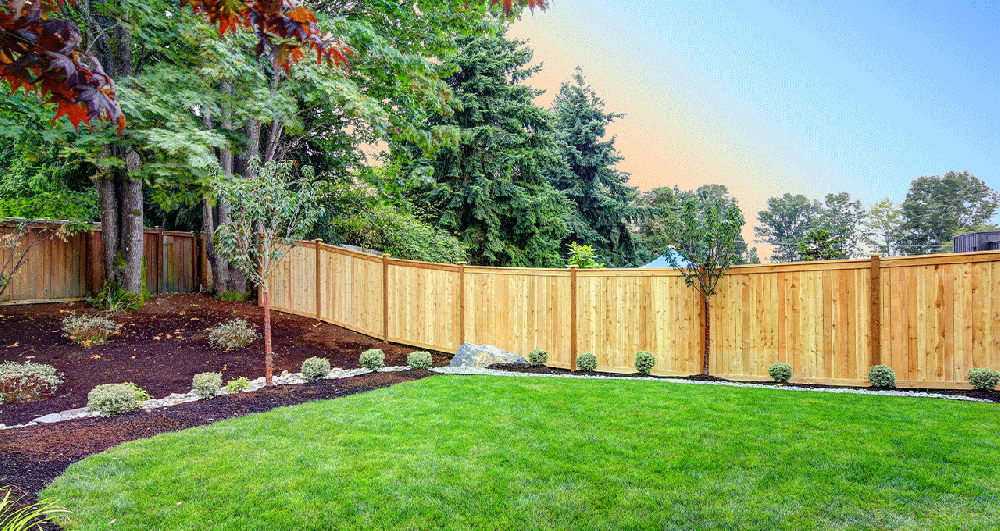
Sloped gardens naturally create interesting visual layers and can open up new landscaping opportunities like terraces or railway sleeper stairs. In this situation, stepped fencing follows the natural gradient of the land, maintaining stability and structure without feeling forced.
Custom-Sized Curved Panels
Curved gardens provide a soft and organic feel that adds a touch of whimsy to your home. Unfortunately, standard fencing tends to disrupt this flow by creating gaps and awkward angles, leading to wasted space. Investing in curvable fencing removes this challenge, celebrating the garden’s natural form and therefore creating an outdoor space that feels harmonious and inviting.
Mix-And-Match For Long, Narrow Spaces
Long, narrow gardens often come with challenges like limited sunlight and a cramped feel, especially if they are north-facing. To help direct sunlight and airflow, mixing different fence styles and heights is an effective way to make the most of the nature-corridor aesthetic. We’re not suggesting that every single panel be different (although go for it, if that’s what you’ve got in mind). Rather, something as simple as alternating open slats with solid panels provides privacy without closing in the garden, keeping it feeling light and welcoming.
Extra Fence Considerations
When exploring garden fence ideas, thinking about practical details like height, materials, colours, and additional features can make all the difference to how the finished product feels and functions.
Height
Choosing the right fence height helps to balance privacy, openness, and in some cases, local authority compliance. In most parts of the UK, fences up to 2 metres (~6.5ft) tall are generally allowed without planning permission in back gardens. However, front garden fences usually must not exceed 1 metre (or ~3.3ft) if adjacent to a footpath or road to ensure visibility and safety. To avoid any complications, it’s therefore advisable to check your local council regulations before installing, especially if you’re looking to create an enclosed garden sanctuary with tall, close board fencing.
Material
Ultimately, the choice of fencing materials impacts durability, maintenance, and aesthetics. Different types of wood remain the most popular amongst garden fence ideas thanks to their natural look and versatility. For areas exposed to strong winds, or projects more concerned with longevity, pressure-treated softwood offers a durable and cost-effective solution. For a more industrial, maintenance-free look, metal options add a sleek touch that can also be combined with timber sections for visual contrast.
Colours And Finishes
Colour can completely transform your fence’s impact. Dark-stained fences tend to be popular choices when it comes to medium and large gardens, helping them to blend into the background and letting other garden features take centre stage. In smaller gardens on the other hand, lighter colours or pastel shades can brighten the space and create an airy feel. For those looking for something with a little more personality, opting for bolder shades like forest green or even a vibrant red can make your fence a standout feature. Whatever your choice, be sure to match colours to your garden’s overall theme to enhance the visual flow of the space and create a cohesive home appeal.
Functional Add-Ons
Beyond the panels themselves, certain fence features can boost your outdoor space’s functionality and longevity. Consider these practical features to tailor your fencing accordingly:
· Windbreak Fencing For Exposed Gardens: If your garden is prone to strong winds, slatted or ‘hit-and-miss’ panels are probably a better investment. These types of fences help to reduce wind pressure by allowing air to flow through whilst still offering protection, helping to prevent damage to plants and garden structures, including the fences themselves.
· Security Fencing With Extra Protection: For added safety, especially in urban or busy areas, consider additional security options, such as spiked tops, gravel boards to prevent digging, and reinforced gates to improve access security.
· Pet-Safe Fences: Keeping pets safe is a priority for many homeowners. As part of these efforts, pet-friendly fences often include low gaps to prevent small animals from escaping, taller panels to deter jumping, or mesh inserts that cat or dog-proof your garden whilst also keeping unwanted animals out.
· Reversible Panels: Some garden fencing options will come with double-sided panels, so when one side shows weathering, simply flip it around to extend the panel’s lifespan and keep your garden looking fresh for longer.
· Modular Systems: A common choice, modular fencing allows you to replace or repair individual sections as needed without dismantling or replacing the entire fence, reducing repair costs and the time spent on DIY.
Final Thoughts: Choosing The Right Garden Fence Idea
As you’ve likely deciphered, garden fencing isn’t one-size-fits-all. Different shapes, sizes, and practical needs call for tailored fence ideas that balance style with function. Nail that balance, and you’ll have a garden that stands out for all the right reasons. So, which of our garden fence ideas takes your fancy?
For more expert tips, check out our other blog posts and inspiration guides, and when you’re ready, explore our wide selection of fencing options to find exactly what you need for your project.
 Processing